
Aspen Ridge Medical Medical Billing

Aspen Ridge Medical

(866) 419-4116 Contact Us
  • Behavioral Health Billing
    • Eating Disorder Billing
    • Residential Treatment Billing
  • Mental Health Billing
    • Residential Treatment Billing
  • Addiction Recovery Billing
    • Substance Abuse Billing
    • Detox Billing
    • Residential Treatment Billing
  • Services
    • Verification of Benefits
    • Utilization Management
    • Insurance Billing
    • In-House Transitional Billing
    • Consulting Services
  • The Aspen Ridge Way
    • Overview
      • How We Work
      • A La Carte, Full Service, Something in Between
    • About Us
    • Blog

Essential Strategies to Prevent Revenue Loss in Medical Billing

Running a medical health facility is a big responsibility. You and your staff dedicate yourselves to helping people overcome challenges and live better lives. But keeping your doors open requires more than just great care – you also need a healthy bottom line.

That’s where accurate medical billing comes in. Mistakes in billing can drain your finances, making it harder to offer the best care. 

Join us as we explore the main culprits behind revenue loss in medical billing and provide practical tips for plugging those leaks.

What Causes Revenue Loss in Medical Billing?
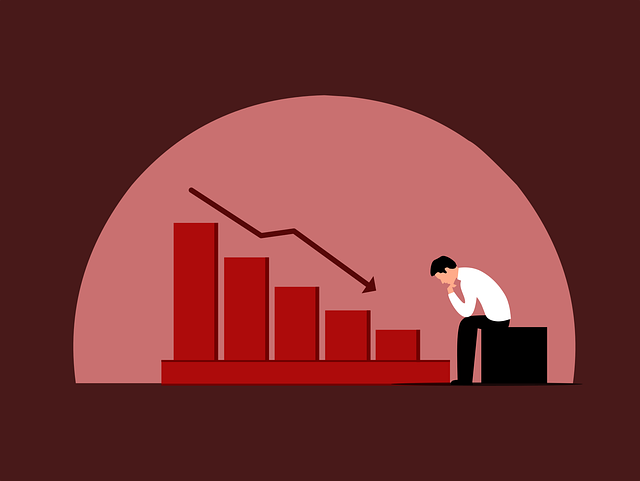
revenue loss
  • Billing mistakes. Typos, wrong codes, or missing information on claims can lead to insurance companies rejecting your claims, delaying payments, or not paying you at all.
  • Slow and messy billing. Filling out forms by hand, taking forever to submit claims, and not having a clear system can cause delays, missed deadlines, and a loss of money.
  • Confusing rules. Healthcare billing has many rules that change all the time. If you’re not careful, you might break a rule and get fined or have claims denied.
  • Ignoring denied claims. Sometimes, insurance companies reject claims. If you don’t challenge or follow up on rejected claims, you can lose out on getting paid for your services.

Strategies to Stop Revenue Loss

Now that we understand some common culprits behind money loss, let’s explore a few strategies to keep your finances healthy.

Train Your Billing Team

  • Billing Bootcamp. Make sure your billing staff is up-to-date on the latest coding rules and regulations.
  • Double-Check Everything. Before submitting claims, have a system in place to double-check all the information for accuracy.
  • Tech to the Rescue. Consider using software that helps choose the right codes automatically, reducing errors.

Streamline Your Billing Process

  • Automate It! Use electronic health records (EHR) that can automatically create bills and submit them electronically, saving time and reducing errors.
  • Do it the Same Way Every Time. Develop clear procedures for each step of the billing process, so everyone knows what to do and when to do it.
  • Talk it Out. Ensure your clinical staff and billing team communicate clearly so all the information needed for billing gets captured correctly.

Stay on Top of the Rules

  • Stay Informed. Subscribe to updates on changes in healthcare billing rules from trusted sources like the American Medical Association (AMA).
  • Ask for Help. Consider partnering with a medical billing company that specializes in your healthcare field and keeps up with rule changes. 

Challenge Denied Claims

  • Have a Plan. Develop a clear system for identifying, analyzing, and appealing denied claims quickly and efficiently.
  • Learn from Mistakes. Track denied claims to see if there are any patterns. This can help you adjust your billing practices to avoid similar denials in the future.
  • Outsource It. Explore outsourcing your denial management to a company that specializes in getting you paid for the care you provide.

The Tech Advantage

Modern technology can be a lifesaver in streamlining your billing process and minimizing revenue loss. 

Here are helpful tools to consider.

  • Automated Coding Software. These tools can analyze patient data and suggest the most accurate codes, reducing errors.
  • Electronic Claims Submission. Filing claims electronically ensures faster processing and reduces errors caused by manual data entry.
  • Denial Management Software. These systems can automate the denial management process, saving time and ensuring timely follow-up on denied claims.

The Benefits of Outsourced Medical Billing

Although you can manage medical billing in-house, it can quickly become complex and time-consuming. So, why not outsource your medical billing to a qualified company like Aspen Ridge Billing?

Letting experts take over your billing needs can offer several advantages!

  • Experts on Your Side. Experienced billing companies stay on top of regulations and have efficient workflows to minimize errors and maximize reimbursement.
  • More Time for Patients. Freeing your staff from billing tasks enables them to focus on providing excellent patient care.
  • Save Money. Outsourcing can be cost-effective, especially for smaller practices that may need more resources to maintain a full-time billing team or invest in expensive software.

Ready to Stop Revenue Leaks and Focus on Your Patients?

At Aspen Ridge Billing, we specialize in outsourced medical billing for healthcare facilities. 

Our expert team has the experience and knowledge to handle all aspects of your billing cycle, ensuring accuracy, efficiency, and maximum reimbursement. 

We can help you implement revenue-loss strategies and leverage technology to streamline your billing processes. Contact us today for a free consultation to learn more about how our services can help your practice.


Filed Under: Medical Billing

Working in healthcare, you witness incredible patient transformations. You help people overcome challenges and build brighter futures. But behind the scenes, another battle often unfolds – ensuring your facility gets paid for the care you provide. 

This is where clinical documentation improvement (CDI) comes in. CDI is a way to ensure medical records are clear and accurate, so insurance companies pay you fairly. But CDI is about more than money – it helps you deliver better care, too!

What is Clinical Documentation Improvement?

clinical documentation improvement

Think of your patient records as a story about their health journey. Clinical documentation improvement (CDI) is ensuring that story is clear, complete, and accurate. 

This way, everyone involved – from you to the insurance company – understands what care your patients need and have received. 

Here’s why good CDI matters:

Get Paid What You Deserve

Proper records with the right codes ensure that insurance companies reimburse you fairly for all the services you provide. 

Without good CDI, they might reject your claims or take forever to pay, which can hinder your ability to offer top-notch care.

Better Care for Patients

Clear records let you track a patient’s progress over time. You can catch problems early and adjust treatment plans as needed. This means smoother care and better outcomes for your patients.

Help Research and Improve Care 

Good records contribute to valuable research data. This data helps improve healthcare practices overall and meet quality standards set by healthcare organizations.

Making CDI Easier with Tech

The good news? Fancy computer tools are making clinical documentation improvement much easier. 

Here’s how:

  • Smart helpers (AI and machine learning). Imagine having a computer assistant that can scan medical records and point out missing information or coding errors. This frees up your time to focus on patients.
  • Automatic note readers (natural language processing). This technology can automatically read doctors’ notes, pulling key information, which saves time and reduces errors.

How CDI Improves Patient Care

Clinical documentation improvement isn’t just about money. It directly affects how well you can care for your patients:

  • Fewer Hospital Visits. Complete records mean smoother care transitions between different doctors. This can help patients avoid unnecessary hospital readmissions.
  • Top-Notch Care. Clear records ensure all healthcare providers involved in a patient’s care are on the same page. This leads to better-informed decisions and improved care coordination for your patients.
  • Patient Satisfaction. When patients know their records are accurate, they feel confident and trust the care they receive.

The Future of CDI

Clinical documentation improvement is always getting better. 

Here’s what’s on the horizon:

  • Predictive Analytics. Imagine a tool that can predict potential coding errors in your records before they happen. This is what predictive analytics can do. It reviews past data and identifies patterns, helping you improve documentation quality before it’s a problem.
  • Mobile Platforms. More and more doctors are using mobile devices to document patient care. This enables faster, more complete, and more accurate record-keeping in real-time.

Putting CDI to Work in Your Practice

Ready to harness the power of clinical documentation improvement? 

Here are some steps you can take:

  • Educate your healthcare providers on the best practices for documenting patient care.
  • Explore and use helpful technologies like AI and NPL to streamline your CDI process.
  • Hire CDI specialists who can review medical records and ensure proper coding.

Partner with Aspen Ridge Billing

At Aspen Ridge Billing, we specialize in helping healthcare facilities like yours thrive. Clinical documentation improvement can be challenging, but we’re here to help.

Our experts can create a custom CDI program just for you. It will improve coding accuracy, maximize reimbursement, and, most importantly, allow you to focus on what matters most – providing excellent patient care.

Contact us today to learn more about how our clinical documentation improvement solutions can benefit your practice

Filed Under: Medical Billing

Have you ever wondered about the delicate balance between our emotional health and eating habits?Eating disorders are complex and multifaceted. They signal deep emotional and psychological challenges far beyond just food and weight.

In this blog, we’ll discuss common eating disorders, signs of eating disorders, symptoms, and when to seek help. We’ll also discuss the role of Aspen Ridge Billing, a streamlined billing solution for healthcare facilities.

food, eating disorder, signs of eating disorder

Understanding the Spectrum of Eating Disorders

Eating disorders are complex conditions that vary widely among individuals. The eating disorder spectrum includes Anorexia Nervosa, Bulimia Nervosa, Binge Eating Disorder, and others, each with unique challenges and symptoms. It’s crucial to understand this spectrum to approach treatment and support effectively.

Recognizing Anorexia Nervosa: Signs and Symptoms

Anorexia Nervosa is characterized by an obsession with thinness. It leads to severe calorie restriction and is often accompanied by excessive exercise.

  • Extreme weight loss
  • Intense fear of gaining weight
  • Distorted body image
  • Restrictive eating patterns

Recognizing Bulimia Nervosa: Symptoms and Behaviors

Bulimia Nervosa involves a cycle of binge eating followed by purging to prevent weight gain, creating significant physical and emotional distress.

  • Episodes of binge eating
  • Purging after eating
  • Feeling out of control during a binge
  • Using laxatives or diuretics to lose weight

Understanding Binge Eating Disorder: Signs and Characteristics

Binge Eating Disorder is marked by recurring episodes of eating a lot of food. It is often done in secret and followed by feelings of shame or guilt.

  • Consuming large amounts of food quickly
  • Eating when not hungry
  • Feeling guilty or depressed after eating
  • Eating alone due to embarrassment

The Role of Emotional Distress in Eating Disorders

Eating disorders often come from or are made worse by emotional distress. This includes anxiety, depression, and low self-esteem.

Emotional eating is a coping mechanism for some, highlighting the importance of addressing underlying emotional issues in treatment.

Therapeutic Approaches for Eating Disorder Recovery

Effective treatments vary, including cognitive-behavioral therapy (CBT), nutritional counseling, and medication when appropriate.

A personalized treatment plan is essential for addressing both the mental and physical aspects of eating disorders.

When to Seek Help: Recognizing the Need for Treatment

Recognizing the need for help is a critical step toward recovery. Signs that it’s time to seek treatment include:

  • Persistent worry about weight and food
  • Eating habits interfering with daily life
  • Physical health issues arising from eating patterns

Consulting a professional eating disorder therapist can provide the support and guidance needed to navigate recovery.

Choosing a therapist experienced in eating disorders is crucial. Look for professionals who:

  • Specialize in eating disorders
  • Offer a supportive, non-judgmental environment
  • Use evidence-based treatment approaches

Supporting Loved Ones Through Their Eating Disorder Journey

Supporting a loved one through their journey with an eating disorder is a sensitive and crucial role. It involves a multifaceted approach that goes beyond mere concern, requiring patience, understanding, and a proactive stance.

Here are some strategies to support your loved one:

  • Offering Emotional Support Without Judgment. Individuals with eating disorders often grapple with feelings of shame, guilt, and inadequacy. It’s important to communicate your unconditional support and love, emphasizing their worth beyond physical appearance or eating habits. 
  • Educating Yourself About Eating Disorders. Understanding the psychological, physical, and emotional aspects of these conditions helps you empathize more deeply with your loved one’s struggles. It also equips you to recognize signs of progress or relapse, enabling you to respond appropriately. 
  • Encouraging Healthy Relationships and Activities. Encourage participation in activities and hobbies that do not focus on food or body image, fostering a sense of normalcy and joy in other aspects of life. Focus on activities that promote self-esteem and relaxation, reminding them of their interests and talents outside of their eating disorder.

Breaking the Stigma: Destigmatizing Eating Disorders Through Awareness

Educational initiatives and open conversations are key to breaking the stigma surrounding eating disorders. Awareness can foster a more supportive environment for those affected. Eating disorders are complex, but recovery is possible with the right support and treatment. 

In treating eating disorders, the focus on patient recovery is paramount. Aspen Ridge Billing Solutions provides a solid backbone of support, enabling healthcare providers to concentrate on delivering exceptional care without the distraction of billing complexities.

Our services show our commitment to raising care standards for people with eating disorders, ensuring an efficient process that helps both providers and patients. Let’s talk about upgrading your patient care. Contact us now.

Filed Under: Medical Billing

  • « Previous Page
  • 1
  • …
  • 9
  • 10
  • 11
  • 12
  • 13
  • …
  • 17
  • Next Page »

Office

476 W Heritage Park Blvd #235
Layton, UT 84041
(866) 419-4116
Monday 9:00 AM - 5:00 PM
Tuesday 9:00 AM - 5:00 PM
Wednesday 9:00 AM - 5:00 PM
Thursday 9:00 AM - 5:00 PM
Friday 9:00 AM - 5:00 PM
Saturday Closed
Sunday Closed

Directions

Contact Us

This field is for validation purposes and should be left unchanged.

Follow Us

Facebook - Aspen Ridge Medical Twitter - Aspen Ridge Medical LinkedIn - Aspen Ridge Medical Pinterest - Aspen Ridge Medical Instagram - Aspen Ridge Medical

2026 | Aspen Ridge Medical | All Rights Reserved | Privacy Policy | Terms | XML Sitemap | Site by PDM